
Every specialty practice has patients who should be receiving care, but never do.
Open referrals go unscheduled. No-shows never rebook. Recall patients lapse. Cancellations leave holes in provider schedules. And because staff are already stretched managing inbound demand, proactive outreach often falls to the bottom of the list.
In this on-demand webinar, leaders from Assort Health, SENTA Partners, and MDCS Dermatology unpack the hidden patient leakage problem and show how specialty organizations are using agentic AI to proactively reach patients, recover appointments, and expand staff capacity.
Featuring:
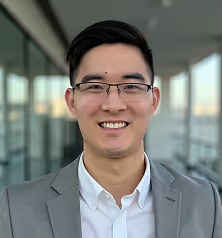
Jon Wang, Founder & Co-CEO, Assort Health
Sam Walters, Vice President of Operations, SENTA Partners
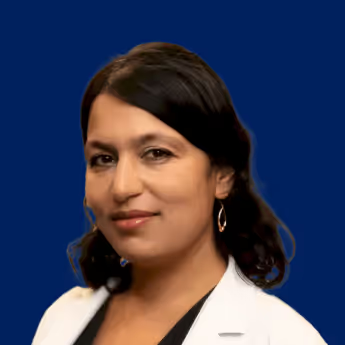
Dr. Parinita Amin, CEO, MDCS Dermatology
Featured results discussed in the webinar:
Moderator (Becker's Healthcare): Hello everyone. Thank you for joining us for today's webinar, the hidden patient leakage problem. How specialty practices are recovering missed patients with agentic AI outreach. Before we begin, I'll walk us through a few quick housekeeping instructions. We will begin today's webinar with a presentation and we'll have time at the end of the hour for a question and answer session. You can submit any questions you have throughout the webinar by typing them into the Q&A box you see on your screen. Today's session is being recorded and will be available after the event.
You can use the same link you use to log into today's webinar to access that recording. If at any time you have issues with audio or visuals, just try refreshing your browser. You can also submit any technical questions into the Q&A box and we are here to help. With that, I am pleased to introduce today's speakers. Jon Wang, founder and co-CEO of Assort Health. Sam Walters, vice president of operations at SENTA Partners, and Dr. Parinita Amin, CEO of MDCS Dermatology. Thank you, Jon, Sam, and Dr. Amin for being here today. And I'll now turn the floor over to Jon to get us started.
Jon Wang (Assort Health): Welcome everyone. Thanks for spending the next hour with us. For years, AI in healthcare has focused on one thing: answering the phone. But there's a whole second gap. The patients who never call the referrals sitting unscheduled. The annual visits that lapse. The proactive outreach you keep meaning to get to. That's revenue and care quietly walking out the door and most practices never see it leave. Today we're talking about that hidden patient leakage problem and how specialty practices are recovering lost visits with AI powered outreach.
I'm joined by two operators who've actually done it and alongside their stories, I'll share what we're seeing across the country. Different specialties, different problems, same playbook. Just to get started, I'm Jon, founder and co-CEO of Assort Health. We built the first voice AI platform for healthcare scheduling. Today, we manage the patient journey across more than 10,000 providers across the country. Before this, I was on the clinical path myself, medical student at UCSF. So that patient side, you know, Americans navigating the American healthcare system, one of the most painful experiences I've ever seen.
We're really excited to be solving that. So, enough about me. Let's meet the people leveraging AI for patient activation today. Sam, maybe you can tell us a little bit about yourself and SENTA.
Sam Walters (SENTA Partners): Yeah. Hey, thanks, Jon. Sam Walters here, vice president of operations at SENTA Partners, which we are a physician-led management service organization or MSO, that partners with leading ear, nose, throat, and allergy practices in the southeastern part of the United States. We have 15 partner practices across 70 locations that serve patients in Kentucky, Virginia, the Carolinas, Texas, and in Georgia.
Jon Wang (Assort Health): Great. Thanks Sam. Great to have you. We're also joined by Dr. Parinita Amin. Please tell us about yourself and your practice.
Dr. Parinita Amin (MDCS Dermatology): Hey Jon, thanks so much for the introduction. I'm Dr. Parinita Amin, CEO of MDCS Dermatology. We're an independent practice with nine locations across New York and New Jersey. We provide full-service dermatology care including medical, surgical, and cosmetic services. Across our network, we see about 140,000 patients per year and we're absolutely thrilled to be partnering with Assort and using their outbound agent to help proactively reschedule patients.
Jon Wang (Assort Health): Excellent. Thank you, Dr. Pari. Appreciate you joining us here today. You've each made the jump from traditional outreach to AI powered outreach, and that's exactly what we're going to be digging into today. But first wanted to spend a little bit of time just framing the problem. The problem sounds really simple. Every specialty organization has thousands of patients who are quietly falling out of the care journey. They should be receiving care and they aren't. We'll cover three things today. One, the leaky funnel and the cost of ignoring it. Two, real examples from SENTA, MDCS, and a few more that I'll narrate.
And three, this is the through line for everything. The shift from measuring incoming demand to recoverable demand. Recoverable demand is the main focus of some of the work that we're doing. So, let's dive in. This is the full patient journey end to end from awareness, referral through results, and population health. Looking at everything listed along the top, scheduling, insurance, verification, intake, referral processing, follow-up, outreach, these are all extremely high volume, rule-heavy workflows that eat staff time, and they're exactly where AI can take the load off.
Everything on the bottom requires more of a human touch to do well, and that's the line we care about. We want to automate the things that free up your staff and team to do the work that requires that extra human touch. A lot of patient loss is invisible. We call it kind of like the invisible patient experience problem because it happens at the edges. Patients fall out before they ever enter your system and even more happens after. Open referrals, unscheduled consults, no shows that never rebook, recall patients, preventive care gaps, procedure follow-ups.
Every specialty organization has thousands of patients who should be in care and aren't and most of the industry's energy goes to acquiring new patients while these quietly disappear. Let's hear it from the operators. What's your most pressing leak for your organization? I guess Dr. Pari, let's start with you.
Dr. Parinita Amin (MDCS Dermatology): Oh, sure. So I couldn't agree more. For us, no shows and patient rescheduling were the biggest areas of leakage. You know, the challenge is the work is unpredictable. You can have a provider out unexpectedly, a weather event, schedule change, and then suddenly you have hundreds of patients who need to be contacted and rescheduled in short order, you know, and that's a tough thing to ask from staff. And you know, as a practice, we can't really carry the extra headcount for work that only spikes occasionally. And when those spikes do happen, it's hard to mobilize the team quickly enough.
So the reality is that many of those patients weren't being reached consistently and some of them never actually got rescheduled creating gaps in care as well as missed revenue for the practice. We needed a way to reach every patient consistently and effectively.
Jon Wang (Assort Health): How about you Sam?
Sam Walters (SENTA Partners): Yeah, I would agree a lot with what Dr. Pari said that you know every organization in this space has leaks and so the difference for most organizations is either they don't see it clearly or they're backfilling it with headcount which as Dr. Pari mentioned, you know, it can be expensive and just doesn't scale. And so here at SENTA Partners, we're trying to be different and get ahead of it systematically. And building automation for our infrastructure across referral conversion, establish patient recall outreach, no-show recovery, and outstanding balance resolution.
Not because we're behind, but because we believe that organizations that operationalize this first are going to have a structural advantage in patient capture that competitors just won't be able to close quickly. Human capital depended dependent practices will always be one staffing shortage away from a funnel collapsing. And the way we think about it, if every specialty organization is leaving thousands of patients on the table and we're the ones with the infrastructure to reach them first and bring them back into care, that's not just an operational win, it's a clinical win. And it gives us a competitive moat.
We're essentially building a patient retention engine that runs in the background while our clinical teams can stay focused on care delivery. But as of late, referrals have been our most active focus because we saw a visible area to close a gap and get the most immediate revenue opportunity. But our vision at SENTA Partners is to be a fully automated leakage response across our entire funnel.
Jon Wang (Assort Health): No, that's super. I really love the framing of making this your competitive advantage and how everyone's going to need to adopt these tools over time. Sam and as you highlighted there is leakage at every step, every stage. It's a funnel problem and a lot of patients who should return aren't. And these are patients who should be getting care, right? And we're trying to activate and get them in the door. So I guess just putting some numbers on it, referral leakage commonly runs anywhere from 20 to 50% of referrals. Subspecialty no-show rates run highest, roughly 19% and up. These aren't edge cases.
They're like the baseline real research studies. And every one of these is a patient who needed care in a visit you had kind of already earned because it's coming in through the referral. I guess Sam, since you're living super close to these numbers at SENTA, I'd be curious how close is this to what you're seeing?
Sam Walters (SENTA Partners): Yeah, as far as the referral conversion leakage, Jon, we're, you know, right in that range. For whatever reason, you know, some patients don't answer, some just don't convert, some schedule never show up. And we found that each dropout point requires an intervention. And you can't solve a problem for a patient that doesn't answer an outbound attempt the same way that you would solve a no-show problem. So, we're trying to build automation that targets each stage specifically rather than treating the leakage as one single bucket. And the goal is to recover as much of that demand as possible before it ever becomes a permanent loss.
And then in regard to your no-show percentage, we're also living that number as well. And our response is we've implemented a no-show prediction tool that scores our appointment risk in advance. And we're using that data to double book high-risk slots so that chairs don't go empty and exam rooms go unutilized. And in some areas of our business with partnership of our physicians, we've increased or overbooked our templates by that average cancellation or no-show rate so the physicians can reach their desired daily patient volume that they feel is appropriate and is comfortable on their patient panel.
And you know historically that's been the same number for the last 20 to 30 years as private practice owners as it is today joining our SENTA MSO platform. So it's really a meaningful shift from reacting to no-shows after the fact to attempting to protect that revenue before the appointment ever fails.
Jon Wang (Assort Health): Yeah, handling that predictive overbooking I feel like has been key there, too. And it's really interesting to hear the personalization complexity across all the different journeys. I guess back to the patient journey for a second, the next thing to notice is how much of the administrative work can be handled by proactive agentic outreach. That's a kind of everything in blue along the top. Sam, anything on this list kind of resonate with you?
Sam Walters (SENTA Partners): Yeah, I mean looking at that top portion, Jon, we know that those things can be automated or we have already automated some of those processes or we're starting to automate them. I think the automation of ingesting our referrals into our EMR and building a chart and adding that to our you know recall or work queue list is the lever that we're really pulling on now so that the data entry is easy and not becoming a large time suck and you know involving human error mistakes.
Jon Wang (Assort Health): Wow. Yeah. Yeah. I feel like the simplest way to really say it is like every unfilled appointment is both lost care and lost revenue. Really two painful events that we're all always trying to prevent. So I guess why doesn't outbound happen? The math doesn't really make sense when we look at the numbers like half of practice still confirm and remind by manual phone call. 73% of reschedules still happen on a live call.
While 71% of practices have fewer than one in four patients self-scheduling, the phone is still the front door of American healthcare and the same staff that's answering inbound are the only ones who typically are doing the outbound and there aren't enough hours in the day. So outbound becomes typically what we've seen at least is a thing that you'll get to later. Later never really comes when you're just handling this open faucet of so many calls coming in. Patients need more touches to fill their care needs and care gap. Staff are facing more pressure than ever. Budgets are becoming harder for marketing, recruiting, new patient acquisition.
Outbound is becoming more discretionary work and practices ultimately are losing patients already in the system that we should be serving and being able to see. So that's where we get to the what the later comes costs. Cost of doing nothing. Take a hypothetical practice, 1,000 monthly referrals, 30% leakage, $250 a visit. That's 300 lost visits a month, 3,600 a year, $900,000 in lost revenue before any downstream procedures. Now, if you do the math for your own practice, we'll come back to this number and I'll show you a real one that's much bigger later.
When practices do attempt to outbound, they reach for 20th century tools, robocalls, mass texts, generic reminders, one-way broadcasts. They don't carry a conversation. They don't follow up. They don't book. So, care gets delayed, growth stalls, and balances age out. And here's the question I want you sitting with. How many patients are in your system right now who would book if someone just reached out? I guess Sam, how does this resonate with you? Before AI, what outreach simply wasn't getting done consistently?
Sam Walters (SENTA Partners): Yeah, I mean certainly outreach pre-AI was as only good as whoever had time to do it that day or you know was the FTE seat filled. And at that scale we saw that can be a losing model because it was so FTE dependent. You know because your referrals can back up, patients can slip through the cracks. Referring providers can lose confidence in your practice. And patients may choose to go to a competitor if waiting too long to be contacted. And I wouldn't always say it's a staffing failure. It can and just really be an operational playbook bottleneck.
And as we recognized that pretty early on as a as an organization, especially as we scaled and brought everybody onto the same EMR across the platform, you know, we tried to move on from a pure manual intervention as quick as possible. And we tried those different outreach methods that you discussed there, Jon. But they only covered one part of the equation. There were more notifications and less end-to-end work. And so we felt like that partial automation still left us with a lot of exposure. We wanted to close that loop and have end-to-end solutions. So once a referral hits us, it goes to our recall list. The outreach runs automatically.
It's persistent without someone having to initiate it every time versus maybe some of the other tech stacks we used early on. We were having to initiate and fire off with a manual intervention. And you know that's really why we partnered with Assort Health. You guys have been a great partner in helping us automate and do end-to-end closed loop solutions.
Jon Wang (Assort Health): Thanks Sam. Totally agree with what you're saying. And alternative isn't just pushing more reminders. It really is becoming a different model. The way we think about it is moving towards this always on instead of episodic. So, an agent that interprets patient contacts, adjusts its timing, works across phone, text, email, and carries a scheduling interaction all the way to a booked appointment. This two-way persistence is proactive enough to reach patients before they become lower in intent. And critically, this isn't about replacing your team.
It's about freeing them from the repetitive work so they can focus on the parts that actually require human touch. I think everyone here knows that healthcare has a shortage of admin labor. Everyone is trying to hire more people. We don't have enough time in the day to get those people in. So the goal really is capacity multiplication, right? How do we give more capacity so we can get more patients the care that they need? Dr. Pari, you live this one. What's your team doing now that they're not chasing patients all day?
Dr. Parinita Amin (MDCS Dermatology): You know, it's absolutely true what you said. The goal is not to replace the staff, but it's really to support them in all the other work that they really can be doing and are doing now. So it's been an incredible benefit. Staff are now spending time really spending time talking to patients that need their attention. Maybe your older patient, your anxious patient, the more complicated care cases. And they're not involved in the day-to-day repetitive outreach. They now have the bandwidth to support those interactions that really require more judgment and more experience.
And they're being placed where they add the most value and that's certainly better for patients. But probably the most important thing, it's actually creating a happier and more engaged workplace which is really important to prevent that staff burnout.
Jon Wang (Assort Health): Yeah, to really great to hear real world experiences with technology and how that's being shifted to actually improve the workplace. So, I appreciate that perspective. Here's what that persistent kind of looks like in practice. I guess Twin Cities Orthopedics handle patient collections for agentic outreach. The agent works each balance across voice, text, email, leaves a voicemail on every unanswered call and keeps going until it resolves. The result is 89% of outstanding balances paid and 47% within the first seven days. Outreach carries all the way to the actual direct outcome.
Jon Wang (Assort Health): For those of you eager to see it in practice, let's hear from SENTA and MDCS directly and I'll narrate two more examples after of other specialty practices running successful AI outreach including Annapolis Internal Medicine and Boston Bone & Joint. I guess Sam, let's start with you. This is your referral story. Can you share what your team stopped doing and what they're now able to do with that time?
Sam Walters (SENTA Partners): Yeah, thanks Jon. So obviously we got our journey started with Assort help in our inbound phone calls and from there we moved on to outbounding on our referrals. You know pre-Assort on the referral side specifically we found that we were not converting above a 70% clip for our referrals. Our staff hours were really limited. You know obviously kind of that 8-to-5 model and they could only handle so much volume per day and then the rising cost of staff and churn and turnover is tough on a small medical practice.
And so now that Assort is answering I would say at least half of our inbound phone calls and outbounding on every single one of our referrals, we've stopped making manual phone calls to every single referral which in reality is you know multiple phone calls over days and weeks as we know patients do not answer on the first time. So we're able to focus on the ingestion of referral we're able to focus them on the ingestion of the referral work which is able to you know get our referrals into the system quicker. And then that outbound work is automatic.
Our staff has really been able to focus on high touch high need patient interactions as Dr. Pari alluded to which has been really pleasant for us and our teams. And we've be able to we've been able to reduce some headcount and offer some of those staff positions that were traditionally in our you know contact center over within our clinic because they have so much experience globally of what happens in our practices. So it's been really nice to see you know all this kind of come full circle for us for our teammates and for our patients.
Jon Wang (Assort Health): I guess Sam curious what about your patients? There's like what maybe like one patient interaction that made you realize this new path actually worked.
Sam Walters (SENTA Partners): Yes. I mean this whole platform with Assort has fundamentally changed the way we've approached patient access. We're handling more calls. We're scheduling more appointments without adding headcount. And the efficiency, call savings and patient experiences have been tremendous. And our patients really appreciate the responsiveness and the ease of interaction with Assort. You know, couple of highlight comments that we've gotten from our Assort dashboard is, you know, this was a recorded AI system, but it did a really great job unlike many.
So there's a differentiator there between what Assort is doing agentically versus another platform trying to replicate the same work or this made it very easy to schedule appointment easy to navigate and understand. I was able to do what I needed to do after hours and that after hours piece has been so crucial for us to have 24/7 access into our scheduling system through the phone.
Jon Wang (Assort Health): Wow. I guess Sam, if you were like one takeaway for the folks listening here, one takeaway for a peer of yours, what would that be?
Sam Walters (SENTA Partners): It's hard to wrap it up into one, Jon, but not missing inbound phone calls is for sure a great takeaway for anybody listening here. We've reduced friction and we're getting patients on our schedule quicker. Obviously, we've operation or we've optimized our operational playbook and ensure that we've had you know, simpler visit types and fixed some access issues and had physician buy-in, but ultimately tackling referrals for anybody listening is a great place to start. You can automate that follow-up and this is where the time comes back to your teammates, your leaders, and your organization.
Jon Wang (Assort Health): Wow, that's really compelling stuff. I guess that's kind of referral side of things at scale. Dr. Pari, I know your world looks a little bit different. Tell me more about MDCS. What was going on in your practice when you relied only on traditional outreach?
Dr. Parinita Amin (MDCS Dermatology): Wow. So, you know, actually so much of what Sam has said resonates and you know, really rings true to our experience as well. What's been amazing is we're able to shift to a patient centered a patient centric approach which is important for patient care. It's important for staff health and it's also important for just keeping up with the broader trends like consumer trends. The seeing the patient as your customer and really treating them that way as a really valuable asset. That's what Assort has allowed us to do. Before we implemented any of these solutions, we had really high call volumes, long queues.
Our staff were really limited in bandwidth because there's just so much day-to-day patient care, day-to-day work that needs to be done. A lot of the tasks that we now automate as it relates to outreach on no-show and reschedule, those were lower priority. In fact, I would say we probably weren't even doing it very well or at all. And now we're able to do it really consistently. All we had in our tech stack was just something that could send a reschedule notification. Being able to do that end-to-end reschedule is what has really changed this into a notification from an actual getting the patient back on the schedule.
Jon Wang (Assort Health): Wow. Yeah. And then you kind of brought in that agentic patient outreach. Maybe could you mind sharing some of the results and lessons learned from what you saw firsthand?
Dr. Parinita Amin (MDCS Dermatology): Yeah. No. Results were pretty much immediate. We've already rescheduled more than 2600 appointments. Some of those are from rescheduled campaigns, others are 1,200 from no show alone. And the patient satisfaction's been consistently high. What's really been phenomenal about this, it's truly a set and forget kind of work. You know, which is the best kind of work, which is you design the workflow, you work with the team, set it up according to your needs, and you let it run in the background while you take can take care of other things. So that's been fantastic.
Jon Wang (Assort Health): That's amazing to hear and I know you've also been a pioneer in this space and have tried a lot of different agentic AI solutions. So it means a lot coming from you and your experience there. And I want to kind of draw a circle back to what we talked about earlier around most organizations measuring incoming demand but not the recoverable demand. So the patients getting lost and slipping through the cracks. Dr. Pari, did changing what you measured change what you actually ended up doing there?
Dr. Parinita Amin (MDCS Dermatology): Yeah, that's right. So, you know, we've learned so much about our practice actually through the data that we've gotten from Assort. We know a lot about our call volumes, our resolution rates, our drop rates, when our calls are happening after hours on Sundays. And all of that data really helps us manage the practice in a much more intelligent way. We're looking at resolution rates reschedule rates different campaign type for both different campaign types like no show and general reschedule. The other thing that I like is that you can keep an eye on how the work is going by just at a glance seeing on the dashboard the still pending number.
So, your managers are really have a light touch here. And they can have minimal time commitment to get great oversight over a lot of work.
Jon Wang (Assort Health): Wow, that's awesome. I guess shifting gears a bit, there are two other cases we wanted to highlight. So I'll narrate those quite quickly. The first one is Annapolis Internal Medicine. They're a primary care practice in Maryland. This one's more of a population health story. Activating patients who were already due for care. So, same root problem. We keep seeing the front office team was too busy answering calls to make them. So, in the windows that mattered most, like flu season, proactive outreach was just not happening. Very frustrated patients, churning staff, climbing costs, care gaps they could not get to.
So I actually wanted to share a quick clip of Dr. Titus Abraham, one of the pioneers in this space sharing his perspective.
Dr. Titus Abraham (Annapolis Internal Medicine): In our primary care practice, we're really focused on being proactive. We don't want to be reactive. We want to reach out to the patients where they are before the problem arises. I would say the needs for outbound are greater especially with focus on population health management really reaching patients with vaccination needs, patients with uncontrolled hypertension with uncontrolled diabetes really needs that calling out requires human beings to pick up the phone sometimes call multiple times and that's the use of a lot of labor hours.
Previously, our previous systems, if we even if we texted them, the patient would have to call back or go into a different system and we did our flu campaign using Assort's outbound system and found it very successful. Amy, our agent, our virtual agent, was able to call out to patients who needed the flu vaccine. And what's unique about is that the patient can schedule within that call rather than having to do a two or even three-step process which increases the chance the patient may not actually make the appointment or get the vaccine. It's really about convenience for the practice. Convenience for the patient.
Almost two-thirds of the patients we reached out to were able to go ahead and schedule with that call which is remarkable. The point is really to decrease the illness burden out in the community, reduce the risk of them having to go to the hospital, reduce the risk of them getting really sick, and that's really the end we're trying to achieve, keep our population healthy, keep them free of disease with this sort of technology we think we have a better chance than we have had before.
Jon Wang (Assort Health): With Dr. Abraham, here's what happened. And proactive outbound auto-scheduled 61% of their preventive appointments lifted patients satisfaction to 4.3 out of five and ultimately grew their labor capacity by 220%. The agent booked most of that flu shot campaign on its own and got patients the care that they needed in the moment they needed it. And now Annapolis Internal Medicine can apply similar playbook for uncontrolled hypertension and uncontrolled diabetes. So, the demand's always just been there. Just hadn't had the capacity to actually reach for and get patients what they needed. Got one more for you.
Katie, director of patient access at the Boston Bone & Joint Institute. They serve elite athletes such as the Boston Celtics, US Ski and Snowboard, Boston Ballet. They have 41 providers across the Boston area. So, New England winters are an operational fact of life. A storm closes the office the old way. Patient gets a 6 a.m. cancellation call, but can't rebook until the office opens again. Staff make over six calls each for every single patient, and all of those patients never come back. So, we're going to play a quick play clip from Katie talking about her snowstorm story in her own words.
Katie (Boston Bone & Joint Institute): Boston Bone & Joint is an institute of 41 different providers. We have multiple locations throughout the Boston area to use Activate to proactively reach out to patients. We use it for cancellations. We use it for no shows. And the big one is really when providers need to reschedule. Before it was a 6 a.m. trying to reach patients to let them know that the provider's sick and then telling them to reschedule or call us back when we're open. And it wasn't just one person. It was probably a matter of six people calling different patients when trying to reach out to patients. Previously, before Assort, it was very time consuming.
A lot of back and forth come the wintertime. We were in Boston. So we had snow. We have a bunch of different bad snow storms that we close our office. The patients got the communication that they needed and we were able to close without having any real hiccups or people showing up. It was over 20 different campaigns and with that we resulted in 53% of those patients rescheduling. By using Activate outbound we have been able to capture more patients and making sure that we're not losing any. And that could be lost by just you know I'm going to get to them or the patient not calling us back because they canceled but forgot to reschedule.
Now they're proactively being reached out to. The volume that we have of patients that are actually sticking with us and staying and following through has dramatically increased as well. Having the staff being less frustrated, less stressed out, and being able to do their job more efficiently is, also some great pieces that came out of our relationship with all of the things that we've started with from initially just taking phone calls to now going outbound. Our relationship with Assort continues to grow and every day a scenario comes across that I'm like, how can Assort help us? And how can we integrate them even more?
Jon Wang (Assort Health): As you guys saw, because the closure notice and the rebooking happening together, automatically overnight, 53% of cancellations got rebooked. The office closed without a hiccup. So, here's the real shift. Most organizations measure incoming demand. The ones that are winning are looking at those invisible patients. They're measuring recoverable demand. Stop counting text and AI conversations. Instead, we have to start counting referral conversion, time to appointment, recall completion, recovered visits, capacity utilization, measuring the outcomes, not just what the AI is doing. If you want to start Monday, three steps.
One, baseline one leaky workflow. Most clinics don't know their referral conversion rate right now. That blind spot is step one. Step two is translating the leakage into dollars. Same formula from before. Remember the $900,000 from our hypothetical practice. SENTA's real version of that is $1.3 million recovered. And then lastly, measure business outcomes, not AI activity. I guess Sam, let's start with you. If a peer asked where to begin, what's the one thing that you tell them?
Sam Walters (SENTA Partners): Yeah, I think you have to start with knowing your referral conversion rate. And then you've got to set a true north to know where you're going. And in between both of those data points, you've got to implement process and technology such as Assort here and watch the business metric move and you'll see the revenue increase without the rapid expansion of cost following behind it as it historically always has. That's really been how we've addressed our leakage in the referral funnel.
Jon Wang (Assort Health): Great. And what about you, Dr. Pari?
Dr. Parinita Amin (MDCS Dermatology): Yeah. So I say it's it, you know, it's intuitive that we really want to start where the volume is the highest and where there is the most operational burden for your staff. And where maybe we have some challenges keeping up with even doing it effectively. And for us that starting point was both inbound and all outbound call management. It was consuming a tremendous amount of staff time and directly impacting patient experience and the practice revenue. The opportunity was very clear.
We established, you know, a baseline understanding of our metrics and I will say that what you learn about your practice and your metrics improve so much after implementing these solutions cuz you get real actionable data out of this. So we were able to see the impact very quickly like almost immediately. And once you see the results about increased access, reduced workload, better patient engagement, you can easily get support for just implementing the next workflow. Yeah, and I just pick the workflow that really is eating up the most bandwidth and leaving the biggest gaps.
Jon Wang (Assort Health): Yeah, on that line of thinking, Dr. Pari, I feel like once you've proven in one workflow, the same engine can run across the whole journey like scheduling, reminders, reactivation, rescheduling, referrals, care gaps, even balances. One agent doing many different campaigns at once. Hey, Dr. Pari, how are you thinking about that journey? Sorry, didn't mean to cut you off.
Dr. Parinita Amin (MDCS Dermatology): No, no, no, perfect. Yeah, no, absolutely. And that consistency is really incredible and unique to the AI solution. You know, one of our great challenges is or was having that consistency day-to-day because you might have a day where someone calls out or someone's on leave. You don't really have that problem here and presenting that consistent access to patients is really unique and not something you can replicate by just doing things the conventional way.
Jon Wang (Assort Health): Yeah, it's like the old way was staff man chasing these patients down missing most of them and the new way is outbound at scale staff managing the exceptions and appointment volume we've never had a capacity capture before and that's really where patient access is heading as a whole space and I guess Dr. Pari as you're living that shift today. Where do you take it from here?
Dr. Parinita Amin (MDCS Dermatology): You know, this there's such a natural progression. We started with inbound call management almost two years ago. And since then we've progressively added new workflows and capabilities. And that's been such a streamlined efficient process and it's been successful each workflow launch. And once you have the first workflow done, as you alluded to, it's really just a natural progression. Yeah, so that it's quite an infinitely scalable tool. And then each automated workflow gives you that bandwidth you need to tackle the next one or even think about things that you've never thought about before.
And it all comes down to improving that access, less friction for staff, and, you know, really getting patients connect with you to care.
Jon Wang (Assort Health): Makes a ton of sense. And I guess when you're evaluating AI vendors, there's no shortage of demos that look great on a conference floor. The harder question that we've seen is what actually works in the real world with the complexity of specialty healthcare? And three things separate vendors that deliver from vendors that just demo. Well, first, can it actually handle the complexity of your specific practice?
Not just specialty-specific clinical logic, not just you know one size-fits-all templates, but do they actually go in and understand your specific practice and build very highly customized bespoke logic that we know is extremely important for the day-to-day care of any practice. The second question that we typically ask is can you actually grow with it? You know, today we're seeing an explosion of different vendors and opportunities, but as we know with any explosion, there's always a moment where consolidation starts to happen. We've been kind of seeing a lot of this activity start to pick up that this just this year actually.
And so we challenge people to think about what platform are you going to work with for the next five years. And not just what they have today, but what are they building and how can they be a partner to transform your practice over time? What is on their roadmap? Not just the features that they have right now, what have they delivered in the past two quarters, right? And the last thing it's is as everyone always knows in healthcare, ask for references. Ask your peers, real peers, organizations that you trust that look like yourself.
That's always the most important thing especially in healthcare and then there's also all the baseline requirements of course uptime HIPAA, SOC 2 PHI protection do they have real security teams to make sure that your patients data is kept safe? I guess Sam anything you'd add from going through this yourself?
Sam Walters (SENTA Partners): Yeah Jon a lot of the things that you just mentioned resonate very clearly. We've implemented a lot of tech stacks at SENTA Partners over the last couple years since I've been here. Some are still intact and some are well out the door. You know, once we did the pilot of inbound call answering, with Assort Health, we found such great success and we decided to roll that out enterprisewide. I think one thing that's so unique about you all at Assort is we were rolling one practice at a time and then we said hey we want to go faster and go two practices at a time and no hesitation from your team. They ran right with us and kept pace.
And then at the same time we were also piloting that outbound referral management and outreach and we saw the dividends as we saw earlier in that case study data. We saw decreased turnaround time to contact patients, less human capital needed, fuller schedules, and ultimately that higher conversion rate and more revenue for our organization. And Assort has just been such a great partner that's handled complex scheduling needs for our ENT and allergy patients that many other tech stack vendors that we've tried to partner with have not been able to solve for.
Good examples of this is you know Assort's agent can book dual appointments the same day back-to-back for our allergists and our ENT doctors or an allergy test and a follow-up with an allergist or an ENT at the same day back-to-back appointments. Assort's been able to handle unique doctor and APP relationships where a provider needs or where a patient needs to stay with a particular provider team. And then Assort also allowed us to tailor patient access at the provider level, ensuring the right patient reaches the right physician based on their clinical area of focus and expertise. And I just have to give a shout out to Jon you and the team.
They've been such great partners and often oftentimes it feels like we're their only client and that is so reassuring.
Jon Wang (Assort Health): Appreciate that Sam. It's been a pleasure working with you, Rob and the whole team. We're it's a it's an honor to work with and privilege honestly to serve your patients every day and making sure that they can have better access to care. Dr. Pari, what do you think?
Dr. Parinita Amin (MDCS Dermatology): The most important thing for us as a dermatology practice in New York and New Jersey is that this is a patient facing technology. So, it's really got to win the patients over. You can't have one call be great and another one be totally wonky. And that's really what I was seeing with some of the other vendor demos that I worked on. You know, this is a product that really works. The patients loved it honestly because they could call on their way to the subway or after work or before work or on Sunday or whenever and you know really consistently get through. So that was really unique and special about the Assort product.
Jon Wang (Assort Health): It's great to hear. Love hearing that. I think I remember one of your patients was actually like an elementary school teacher and she was able to actually get care after work versus previously was really hard for us to get in contact. So it's like really amazing stories like that make a difference.
Jon Wang (Assort Health): I guess moving on. So four things to leave with today. First leakage exists at every single step. Outreach is becoming a strategic access function not an afterthought. AI makes continuous outreach actually feasible and leading groups are already seeing measurable results. Sam, what would you tell a peer who's on the fence today?
Sam Walters (SENTA Partners): The most critical thing is Assort's effectiveness. We've tried a couple of different tech stacks as I mentioned earlier, but they were all pure notification systems to inform patients. Like you got a referral, but it wasn't paired with any actionable appointment. The huge timesaver isn't just that initial step. It's when AI can wrangle the whole end to end workflow. And if you're on the fence, I would say give this a try because I think it will solve many issues that you are or are not aware of.
Jon Wang (Assort Health): Dr. Pari, how about you?
Dr. Parinita Amin (MDCS Dermatology): I'll say that, you know, unanimously. I would say our staff would never want to go back to the way they were doing things before. I don't even think that we can imagine having to go back to a pre-Assort world. It's been that much of a game changer in terms of the workload for our teams.
Jon Wang (Assort Health): Thank you, Sam. Thank you, Dr. Pari. We very much appreciate your partnership and like I said it's a privilege to work with you guys and you know it's still day one for us. We're excited to continue to partner and transform your businesses with more and more products that we're deploying. So I guess how do you actually go do this? For us it's a product called Activate. Everything we talked about today the unworked referrals the empty slots the care gaps the balances aging out those are the four leaks on the slide. Activate is built to close all four of them.
It's proactive outreach across phone, text, email, personalized to every patient and it carries conversation all the way to a booked appointment or collected payment. The point isn't more activity. It's recoverable demand captured automatically while your team stays focused on the patients in front of them. So, Activate is one product. Here's the bigger picture. Assort Health is the AI agent platform for the entire patient journey. So not just proactive outbound but also inbound call center automation. The operations work in between all on one platform that shares what it knows about each patient.
The referral, the call, the reschedule, the payment, they run on the same brain patient journey memory. So the patient never has to start over again. And that depth has become a real advantage for us. We have over 1.7 million decision pathways, 60,000 care protocols, 23 different specialties, and it shows up in the outcomes on our customers that they audit themselves. Roughly $5 million in revenue is generated for every 100 providers on our platform. So leakage problem for to us really never was a staffing problem. It's a capacity issue and capacity is exactly what we are solving for. So here's the one thing to leave with.
Stop measuring the demand coming in. Start measuring demand you can recover and the patients are slipping through the cracks. The patients are ready in your system. The only question is whether someone will reach them.
Jon Wang (Assort Health): Looks like we're getting some good questions coming in. I'll just read them out and tackle them one by one. First one here. We're evaluating this now and my team's nervous about the lift. For the panelists, what did the first 30 days actually look like and was there anything you didn't see coming? Maybe Dr. Pari if you want to start with that.
Dr. Parinita Amin (MDCS Dermatology): Yeah. So the first 30 days were remarkably smooth actually. What we did was we started incrementally. We started with one location and then kept adding on locations and I was thinking that's going to take months. This was a matter of weeks not months. And you know we started with new and existing patients on the inbound front. And then graduated to really complex scheduling around even Mohs surgery cosmetic cases. So you know just doing that incremental growth. By the end of 30 days we pretty much had had all our use cases down for inbound. And then you know as Assort continued to innovate we just kept adding workflows.
Jon Wang (Assort Health): How about you Sam?
Sam Walters (SENTA Partners): Yeah very similar to Dr. Pari. The first 30 days was really about Assort understanding our business and our individual practices very uniquely, how they function, expectations and so forth, you know, and then we spent, you know, time building and testing and I was surprised after we got through the first few practices how we were able to start going so quickly. Similar to Dr. Pari. I thought this would take months and we have implemented across our whole enterprise about 6 months earlier than we expected to. Which was really encouraging.
Jon Wang (Assort Health): Wow. Love to thank you for sharing that. Next question I have here is why should I buy this instead of using the outreach tools already built into our EHR? I can take this one. So, from our perspective, most EHR outreach is pretty one way. Feels kind of like a bolt-on point solution, a feature. Tells the patient something, it waits, doesn't really carry a conversation back and forth with the patient. And the follow-up cadences don't necessarily always work. Always not really track super well and all the data. And the last mile is really the whole game really. It comes down to three things. One of them is patient specific personalization.
Every single patient should have their own unique messaging that gets sent to a patient over time that is based off of, you know, do they have to take their kids to soccer practice at 4 p.m. on Wednesdays? Do they what language do they speak? All these different unique components we're starting to build in more and more into the patient specific personalization. The second component is around signal intelligence.
Looking through the EHR for changes in behaviors like hey this patient now qualifies for a colonoscopy or hey this patient now qualifies for a mammogram or hey this patient we need to book a flu vaccination for Annapolis Internal Medicine. Right? So we're building more and more deeper and deeper into your workflows and all the signals that we should be looking for to make sure patients get the best care at the right time. And then lastly last component that we're looking at is around cross-workflow memory.
So that hey like this specific for example if a patient's filling out one of our intake forms and they should be getting colonoscopy and a mammogram. We can surface both those opportunities in the intake form. Or if a patient calls in, giving them the opportunity to take that those multiple outbound campaigns and consolidate them into the call. So if I call in now, it would be this interaction where it's like, hey, it looks like we've been trying to reach you for this. Do you want to book those now or did you want to take do something else? Right?
So making it a lot more frictionless, delightful, engaging type of experience and inserting these outreach moments into high intent moments along a patient journey when they're already looking to get care within your practice. Next question I have here, what happens when a patient wants a human? How do you set that hand off up? I think Dr. Pari maybe you can take this one.
Dr. Parinita Amin (MDCS Dermatology): Yeah, that's a really important question actually. And this is where how you implement the solution really ties into how successful it is. When a patient wants to speak to a human, we create a system where it's there isn't much friction to be transferred to a live agent. Assort has a really great dashboard where essentially the live operator can pick up where the Assort agent left off. And the system can really sense if there's an interaction where either the patient is directly asking to speak to a live person or maybe they're having some challenges, maybe they're older or maybe they have some language issues.
The system can automatically sense that and transfer the calls to live operators. And we like that. We love that. It avoids any kind of frustration and sets you up for a successful implementation.
Jon Wang (Assort Health): Do patients know they're talking to AI and does it change how they respond? Maybe Dr. Pari, you want to answer this one first, too?
Dr. Parinita Amin (MDCS Dermatology): Yeah, I mean I guess if you didn't tell them, most of our patients or many of our patients wouldn't know they were talking to AI. It just reflects on how natural and conversational the AI is. But we do tell them that the call is being recorded. You know and in some instances you know this is our virtual assistant or something some language like that. But if you didn't tell the patient would they know? Not necessarily. I don't think so.
Jon Wang (Assort Health): Sam what are your thoughts?
Sam Walters (SENTA Partners): Yeah so similar to Dr. Pari, the voice is so natural that most patients don't know or don't raise a question and we were really transparent up front. We you know named our agentic agent Sophie and so we made little character posters of Sophie and placed her in our practice prior to go live and let our patients know that they could expect to interact with her. And what really matters is our physicians who tend to be our most skeptical audience heard it and were very impressed.
And I think our patient satisfaction ratings across our practices being so high validates that whether it's AI or not, it doesn't really matter and the patients are saying it's fine and easy to use.
Jon Wang (Assort Health): Makes a lot of sense. Next question I have here. How do you separate revenue you actually recovered from revenue you'd have captured anyway? So this is a super fair question. And really I think for us you have to kind of measure the baseline. So your referral conversion or your no-show rate before you turn anything on should be measured. And then measure that same number after the implementation happens. So the recovered number should be the gap between two. So on the patients who were leaking out, you're not taking credit for the ones who would have been booked anyways. You're counting the ones who weren't. Sam, any thoughts on this?
Sam Walters (SENTA Partners): Yeah, Jon. So obvious metrics here are measuring those call answer rates and abandonment rates and referral conversions as a baseline and we saw that those things improved. We saw call answer rates that were below 90% at some of our practices go well above 90% to almost 100%. We also saw a material decrease in our abandoned calls and wait times on the phones. And then we saw our referral conversions go from, you know, the 60% number to, you know, mid to upper 70s. And so for us, that was all net new revenue versus what we were previously capturing. We saw that early in the stages with our Assort partnership on the inbound call answering side.
As more calls were answered, decreased wait times and decreased calls to our live agents so they could handle higher complexity calls and our schedule utilization also showed the fruit. So referrals made it through the funnel at a much higher clip.
Jon Wang (Assort Health): Wow. Another question here. What's the one metric you tell a skeptical CFO to watch in the first 90 days? Maybe Sam, you want to take this one as well?
Sam Walters (SENTA Partners): Yeah, I don't know how many CFOs are looking at your referral conversion rate, but you would see an increased conversion rate for sure. Before we established before we started, we established the baseline and watched it move. Everything else follows from that. So, you can see it in the funnel and you can manage it.
Jon Wang (Assort Health): Right. I see we just got three. We're just going to take on three more questions here. Maybe Dr. Pari you could take this one. How did your front office and call center staff react? Did anyone feel threatened?
Dr. Parinita Amin (MDCS Dermatology): Yeah, I mean just if you told someone that you're going to put an AI call center in or an AI agent in if you don't help the team understand that the AI agent is coming in as a team member they might feel threatened. But getting that buy-in from your team really making them feel safe that their jobs are protected is important to success. And that is the truth. To have a successful implementation the AI has to be part of the team. It has to be the new person on the team mentored taken care of and worked with. So and that's where you get the best results is when your team is happy to have this new agent.
Jon Wang (Assort Health): I always joke we have to make sure it's fed energy and it has its own cloud instance all the time where it can live and has enough resources to survive. Yeah feed it tokens. Yeah so next question I have here what did it actually get wrong in the early days and how did you catch it? Maybe Sam you want to take this one on.
Sam Walters (SENTA Partners): Yeah so I think Dr. Pari could agree here that scheduling for a specialty practice can be very nuanced particularly when you're dealing with surgeons schedules and so you know maybe more on our operational side of setting up the right scheduling rules and clinical preferences and those dual appointments. But we learned from early implementations. Assort learned with us through those and we were able to fix it quickly by working with our clinical team and Assort identified those examples, build the proper logic and monitor the fixes.
And another really interesting thing we saw was, you know, there was a very small amount of patients that disengaged with the AI agent, roughly 5%. And that was another kind of leakage funnel that we wanted to solve. And so we decided to send customer recovery texts with our self-scheduling link and a friendly message inviting patients to call back to our concierge direct line to skip the phone tree of the call center. And because of Assort, we have the capacity for our live agents to take those disengaged calls and over 50% of those folks came back to us and scheduled an appointment.
So that's been really encouraging to see, you know, what can go wrong and how do you fix it early.
Jon Wang (Assort Health): Thank you, Sam. And last question here we'll take on. How do you decide which workflow to automate next? Dr. Pari, you want to take this one?
Dr. Parinita Amin (MDCS Dermatology): Yeah. You know, going back to a lot of what we said earlier is we were going after those high volume, but then also complexity is also sometimes hard for live teams. So what I loved is that Assort was able to read clinical appointment reminders in our EHR directly from our EHR and those are called ticklers in our system, but probably every system calls them something different. But that allowed for complex and very accurate scheduling. Let's say a patient is calling in and our staff has already created a reminder that this patient has a skin cancer and needs to come in for Mohs surgery.
So when they call, they may not even know what type of appointment they need, but the AI agent with Assort knows and gets them in for that right appointment type. So that's complex work. In fact, it's actually complex even for maybe some of our new staff members or some of our staff members who might be covering or whatever. So, you know, there are a lot of complicated scheduling rules and training and retraining how much work that takes cannot be underestimated.
And that's where you get a really a big boost because you train the Assort agent once and it's got that forever, you know, when it's not the situation where someone calls out and she's the one that's been there for 20 years and the girl covering her is only been there for 6 months. None of that. That knowledge is sticky in the Assort system and that's really powerful.
Jon Wang (Assort Health): Thank you, Dr. Pari. We're running out of time here. So, just want to thank everyone in the audience for their questions and engagement in attending this today. Sam, Dr. Pari, thank you guys both. You didn't give us just you know, AI theory. It's really amazing to hear about how this is affecting real-world practices. Thank you for spending the time sharing your experiences with this. And it's amazing to hear about how like, you know, real patients are now engaging directly with AI. Patients are getting access to care in ways that they weren't able to previously. And there's actual real business impact.
You know, the $1.3 million that used to leak quietly out of the door. That's what's making this extremely useful for everyone listening today. And thank you to the audience. You're, you know, here's one thing I'd leave you guys with. The patients already in your system, the demand is already there. The only question is whether someone reaches them and making sure that they get care and engage with the care that they need. You don't have to fix the whole funnel on Monday. Pick one just one workflow, baseline it, put a real number behind it. And just take your first step in the right direction.
If you like to see what this looks like in your own practice, we'd love to show you. Our goal as companies is to be here for the next hundred years transforming patient journeys with AI agents and we believe this is just the first step in the right direction. Thank you again everyone. Please reach out if you're interested. Have a wonderful rest of your day.
Moderator (Becker's Healthcare): That is all the time we have for today. I want to thank Jon Sam and Dr. Amin for an excellent presentation as well as Assort Health for sponsoring today's webinar. Thank you for joining us today and we hope you have a wonderful rest of your day.
Explore how Assort can create more capacity for your team and better access for patients.