
.svg)

Topics
See it in action
TL;DR
- Assort Health’s inaugural engineering intern cohort successfully shipped production-ready features, including agent evaluation infrastructure, sales demoware, and onboarding automation, that directly impacted patient care and platform capabilities.
- By offering more than “intern-safe” work, the interns gained deep technical ownership, treating every customer feedback ticket as an opportunity to solve real problems and contribute to core product decisions.
- The program’s success reinforces Assort’s commitment to early-career development, where interns are treated as full-time engineers and being on the teams tackling the company’s most ambitious technical challenges.
Topics
TL;DR
- Assort Health’s inaugural engineering intern cohort successfully shipped production-ready features, including agent evaluation infrastructure, sales demoware, and onboarding automation, that directly impacted patient care and platform capabilities.
- By offering more than “intern-safe” work, the interns gained deep technical ownership, treating every customer feedback ticket as an opportunity to solve real problems and contribute to core product decisions.
- The program’s success reinforces Assort’s commitment to early-career development, where interns are treated as full-time engineers and being on the teams tackling the company’s most ambitious technical challenges.
When I joined assort, I came in knowing we were building something technically ambitious. What I didn’t expect was how interns would be contributing to the parts of the product that matter most.
We just wrapped up our first cohort of engineering interns. Five people. A few months. And by the time they left, their work was live in production, touching real patient calls at real practices across the country.
That’s not a coincidence. It’s the result of a deliberate decision to give early-career engineers real problems, real ownership, and real feedback, without a safety net of low-stakes ticket work. I believe that’s how good engineers get made: by being trusted with things that matter, early.
This post is their story. But it’s also ours.
What This Cohort Says About Assort’s Trajectory
Assort started as a voice AI product for scheduling. We’re becoming something bigger: a full AI agents platform for the entire patient journey. That shift, from product to platform, changes what engineering looks like. It requires infrastructure for testing agents at scale, tooling for onboarding customers faster, systems that carry patient context across every interaction, and demoware that doesn’t just look good on a screen, but actually mirrors the complexity of specialty care.
Every project this cohort shipped touched one of those needs directly. That’s a signal about where we are as a company.
More than 20% of adults in the U.S. speak a language at home other than English at home, and nearly half of that group has limited English proficiency. That reality shows up in patient calls, and our agents have to handle it correctly. One intern’s project addressed exactly that problem, at the level of the model, not just the interface. The fact that a first-semester intern was solving that problem says something about the scope of what we’re building.
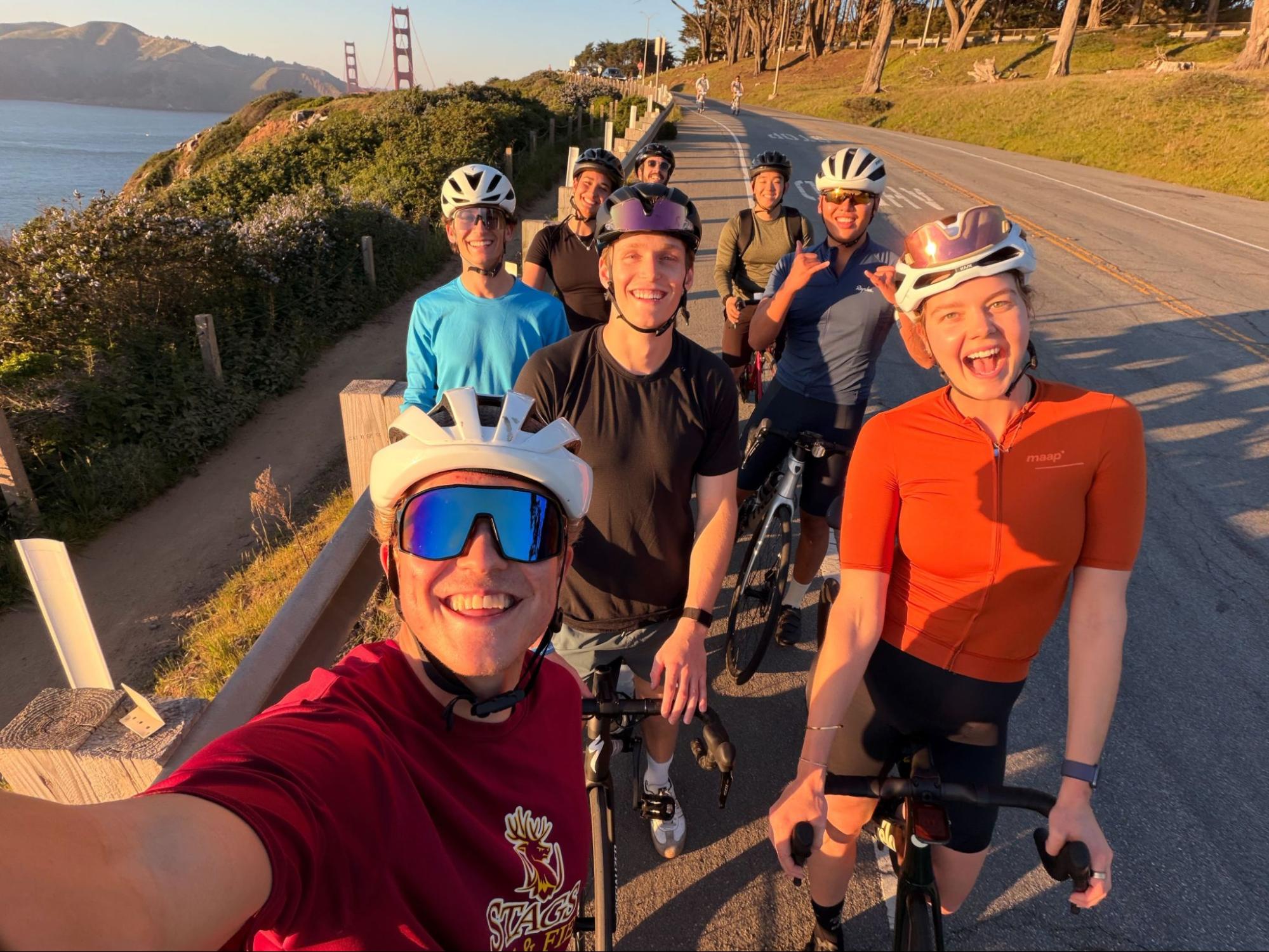
The Interns, In Their Own Words
Ryan Shen – Project: Agent Evals
The biggest thing this internship gave me was a much deeper intuition for what it takes to build working agents in production. A lot of my work started with direct customer feedback. I’d pull real patient-call transcripts, form a hypothesis about how we could improve the patient experience, and test ways to improve it. Watching changes play out in production, knowing they were directly impacting thousands of calls and patients, made the work feel real in a way I hadn’t experienced before.
One example that stuck with me was language switching. Patients would occasionally get routed into Spanish mid-conversation without ever asking, and the root cause was that our speech-to-text model was mishearing short English phrases as Spanish. The fix we landed on was an LLM agent that determines whether a given turn is a real switch request or an STT hallucination. It was my first real exposure to layering targeted intelligence over a noisy signal, and it reshaped how I think about designing around imperfect components in general.
The project I was most excited about was building out the test case for our agent harness. It pushed me to reason through every dimension of how you even test an agent: What layer do you mock at: the API call, or the tool call one level up? How deterministic should the caller be: LLM-generated responses on the fly, or a hardcoded script? How do you evaluate whether a run succeeded when the output isn't a fixed string? A lot of the design choices we settled on came straight from watching how people actually wanted to use Assort’s platform, and iterating to ensure it would deliver a reliable experience.
Kevin Yan – Project: Customer Chatbot
Assort has been my favourite internship out of all five I’ve done. I had real ownership over genuinely impactful work, in a fun environment where that ownership actually meant something.
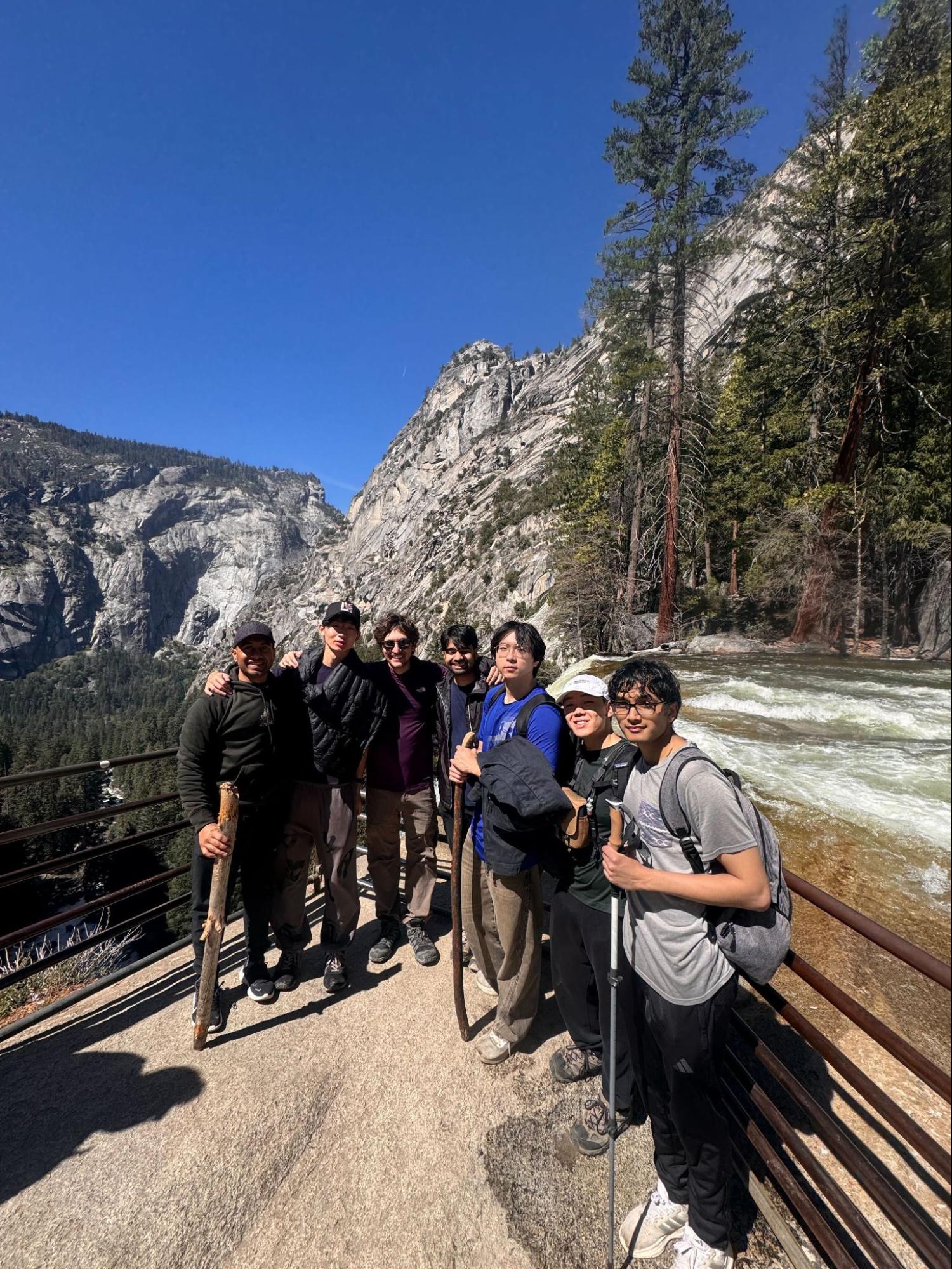
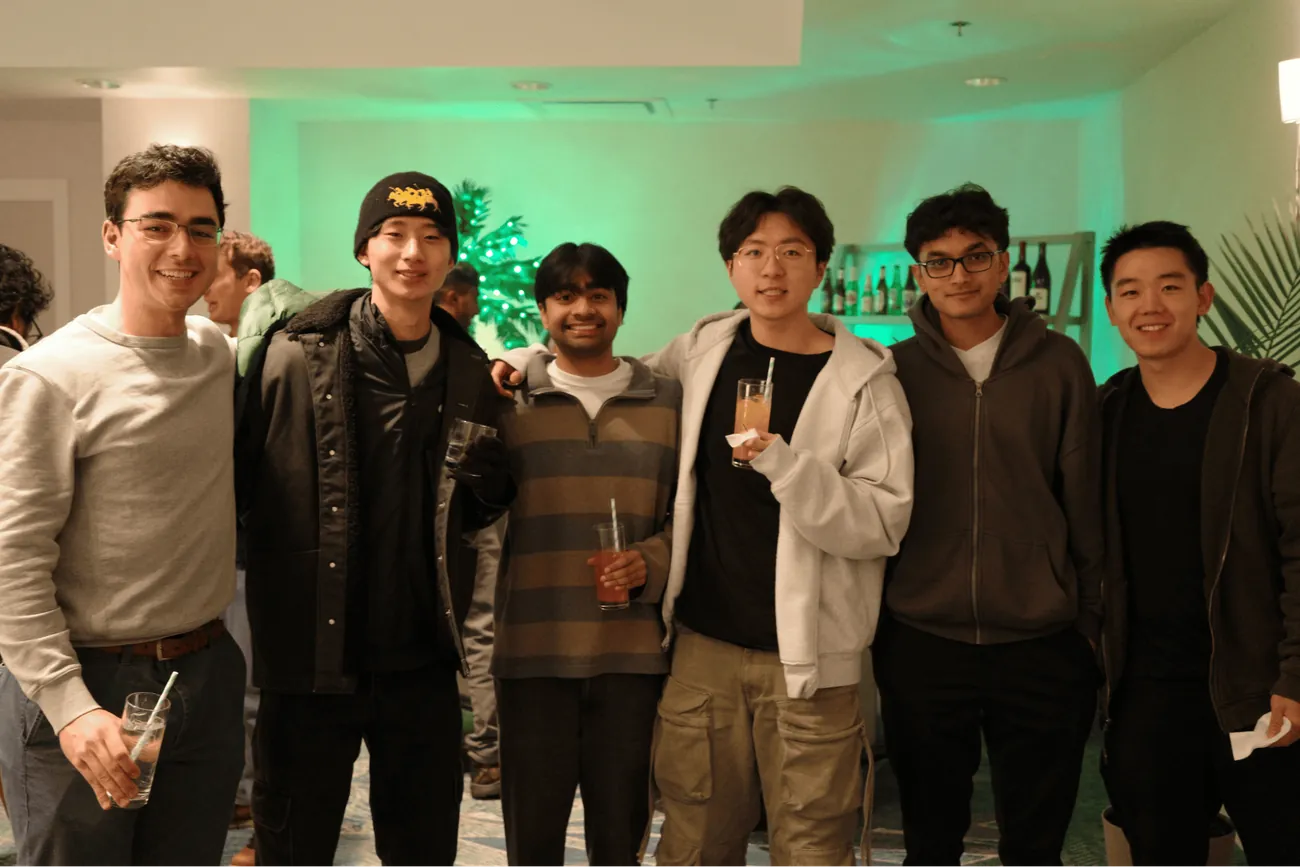
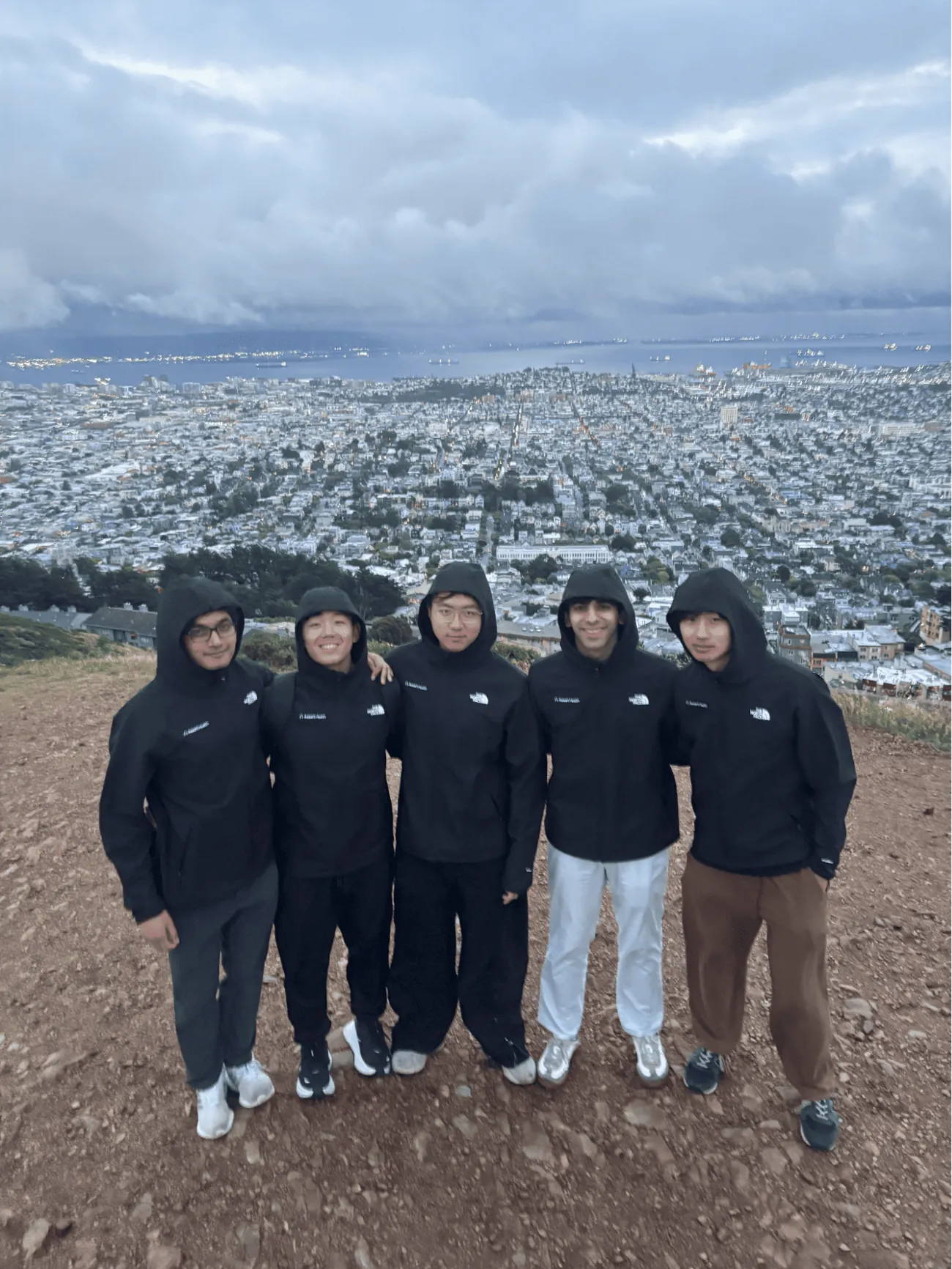
What stood out beyond the work itself was the cohort. Nothing else I’ve experienced came close to the camaraderie at Assort. Sitting right next to each other and collaborating on important milestones and working through hard problems together, we all became extremely close. If I had one piece of advice for future interns: enjoy it as much as you can and make friends along the way.
The work I did touched all parts of the product. We all started on customer feedback tickets, which gave us a ground-level feel for how the product works. Then, I was handed the chatbot project. At first it felt daunting: a big feature that many customers will use and it needed to be ready in a month for a high-stakes demo. But I was not afraid!
What I appreciated most was the ownership. My manager Connor would scope bigger pieces out for me and guide me, but over time, I became the person most familiar with how the chatbot worked. I started joining meetings with customers, with design and product, and contributing to actual product decisions. That made me feel like a full time engineer. At some point, I found out that a colleague I’d been working with didn’t even know I was an intern!
At Assort, you get a rare opportunity to take your project into your own hands, and leave a big impact on the company. Interns definitely get treated like full-time engineers. If you’re ready to own something real, this is the place for you.
Sean Shin – Project: Sales Demoware
Coming in as an intern, I didn't know what to expect. The first week was a lot of unfamiliar tools: telephony, speech-to-text, and LLMs, all woven together to power a voice AI platform for patient care. What stood out from typical software engineering was our direct interactions with the operations team. They gave us customer requests in plain English and it was on us to translate those into technical solutions. Some problems had multiple approaches, and finding the right one for each situation gave me a real feel for how engineering decisions ripple out to the customers actually using the product.
My main project was building a demo environment for the sales team. My first instinct was to build one shared sandboxed demo anyone could point to. But talking to the sales team revealed a constraint. Every prospect wanted to see the agent working in their own context, including their clinic type, their providers, and their locations. A generic demo wasn't enough. I ended up building a system of demo profiles, each one a saved setup a salesperson could load before a call and tailor to a specific prospect. After iterating with feedback from other engineers, I shipped it, and the sales team integrated it into their standard workflow. The process of completing a project start to finish gave me insight into having ownership as an engineer beyond coding.
The most lasting lesson for me came from a conversation with a senior engineer about our test case architecture.I came in with a strong opinion. Then, he walked me through the tradeoffs. I realized I had over engineered the solution without first asking what the simplest path was. Now, I try to understand the full problem before writing anything, and start with the simplest solution.
Darsh Patel – Customer Onboarding Automation
Over my internship, I saw how Assort's operating values aren't just words on a wall. They're the actual shape of the work.
It started with Day One Drive. I hit the ground running by immediately picking up customer feedback tickets across a wide range of practices, using them as an opportunity to learn how each practice operates and where our voice agent was falling short.
This work pulled me straight into Five Star Focus, where I came to understand that customers are our lifeblood. Every ticket was a signal that a real patient was struggling to get the care that they deserved. I treated every ticket with seriousness and urgency.
From there, I leaned into Answer The Call. When it became clear that onboarding new customers was one of the biggest bottlenecks slowing the company down, I took ownership of rebuilding the tooling end to end. I centralized the custom import flows required to pull data from each new practice's EHR system behind a clean, simple interface, and built out the system to keep that data in sync after the practice went live. That closed a gap that had been quietly creating friction for every live customer.
That work lived under One Pulse: what used to sit on engineering’s plate could be done by whoever was closest to the customer. The whole team could move in rhythm instead of waiting on a handoff.
What I’m most proud of isn’t any single ticket or project. It’s the work I left behind that made it easier for the next person to embody the same values from day one.
Nihal Menon – Project: AI Agent for EHR Configuration
I shipped features to production, impacting patient calls at actual medical practices in my first weeks.
Working at Assort has been my favorite internship experience so far and something I'll treasure as I grow in my career.
There’s no such thing as low-stakes change in healthcare. That pressure taught me to be more intentional than I'd ever had to be before. Every change had to be thought through carefully, because on the other end of the line was a real person trying to schedule a surgery or see a doctor.
The project I'm most proud of came toward the end of my internship: an AI-powered assistant for managing an organization's data agentically: querying and updating EHR information in ways that save significant time on configuration and ongoing updates. What made it meaningful was how collaborative the process felt. I worked closely with my manager and teammates to figure out what the tool actually needed to do, what "useful" looked like for the people who'd be using it every day, and how to make it trustworthy enough to run on a production system.
I came in as an intern and left feeling like a real part of the team. That's not something I expected, and it's not something I'll forget!
A Note From Dan
We didn’t give this cohort intern-safe work. We gave them the real thing, because that’s the best way to develop engineers who can build things that matter.
Ryan’s evals infrastructure is the foundation for how we test our agents at scale. Kevin’s chatbot is in front of customers. Sean’s demo tooling is in every sales call. Darsh’s onboarding automation is running every time a new practice goes live. And, Nihal’s EHR agent is saving hours the team will never have to spend on manual configuration.
If you’re an engineer who wants to work on problems this hard and a team this willing to trust early-career talent with them, we’d love to hear from you. Take a look at what we’re building and check out our open roles: https://www.assorthealth.com/careers
We’re incredibly grateful for the energy, curiosity, and ownership this group brought to Assort. Watching them grow and learn has been a great highlight for our team. Can’t wait to see what they accomplish next!

Dan Rothman
VP of Engineering, Platform and Product
Dan Rothman is VP of Engineering, Platform and Product at Assort Health.